

"Extra Small" Goats

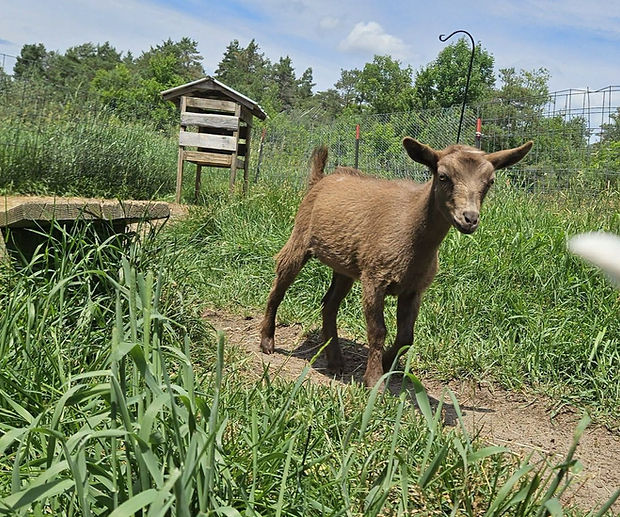
Be aware of people who advertise "extra small" Nigerian dwarf goats.
While there certainly ARE small, slow-growing NDs, I highly advise to be wary of it unless its a trusted, respected breeder - and even then, ensure you are asking the right questions regarding why these goats are tiny.
FACT: There is no healthy ND with no birth defects that will not reach a minimum of 50-60lb fully grown.
FACT: The major leading causes of slow growing, extra small goats tends to run along the lines of stunted growth due to poor health. This includes high loads of coccidia, high wormloads, cognitive or heart or intestinal deformities, or badly managed, poor nutrition.
Ask sellers about their coccidia prevention program and what it entails. What coccidiostat do they use, and is it on a routine, 21 day cycle until just past weaning, or is it simply when symptoms appear? Do they utilize calfpro, sulfameds, baycox? Do they perform fecals regularly and only deworm when an issue arises? Do they have generational data on growth rates from this line of goats to see if maybe they tend to hit a growth spurt once they are weaned, or as a yearling, are these kids typically of breeding size by 2 years old at the absolute latest? Ideally, even in NDs, yearlings should hit the 40lb + hand-width rump milestone to be able to breed. What does the breeder's protocols regarding lice and mites look like? Do they use ultraboss, or cylence, or something else safe for babies to avoid them? Does their fur look sort of... unthrifty? If so, that tends to indicate an issue. Maybe the babies are not offered minerals, or are not being grained when it really aids rumen and body development, but both of those things are things to be cautious about. Minerals and quality feed are basic, basic, low-level standards for goats, and if those aren't being followed, that should lead you to the question of: "what else are they failing to do?"
Again, slow-growth lines DO exist. That is not a myth. However, please do your due diligence on researching these sellers to ensure you are not being sold a sickly baby as a commodity. Any breeder worth your time will always, always be more than happy to answer your questions and share their practices and herd data. If the breeder becomes defensive, avoidant, or frustrated, you are dodging a bullet by passing these animals up.


Comments